

Excellence in High Horology
Machining: The art of removing material
High-precision lathes and bar turning
Bar turning is a historic craft that preserves the expertise involved in using a traditional piece of machinery, the cam lathe. This rare type of craftsmanship pays homage to historic machining. Once the lengthy and painstaking adjustment process is complete, these machines can operate virtually indefinitely with little more than minimal maintenance.
Bar turning is an essential technique used for all cylindrical parts such as shafts, screws, gear wheels and spacers. Turners can also cut gear teeth, bringing to life these precious mechanical components as they do so.
Using this process, even parts with complex shapes can be machined to within very fine tolerances, ensuring they will operate flawlessly as part of sophisticated mechanisms. The expertise brought to bear means that every detail is carefully fashioned, thus playing its own part in making the mechanism of your timepiece nothing less than perfect.
Milling: the art of delicate metalwork
Some transfer machines fifty years old or more are still used in milling, but only for large production runs: adjusting them is a demanding and meticulous process that can take several weeks.
The machining itself is a high-quality technique that can be used to create a wide range of complex shapes through the gradual removal of strips of material to achieve the desired outcome.
Le Millers deal with all kinds of flat parts such as baseplates, wheels, ratchets and hands. The precision milling involved is a highly delicate undertaking
It’s through processes like these, entailing unparalleled levels of precision, that the different parts of timepiece take shape; the various manufacturing stages call for work that is meticulous in the extreme.
Exceptional manufacturing tolerances
In our quest for horological excellence, every detail counts. Tolerances are an essential concept in mechanics, defining the extent to which discrepancies in component dimensions are acceptable. In conjunction with our manufacturing partners in the Jura region, we’ve agreed on the strictest tolerances, to within a single micron – 0.001 millimetres.
And despite the difficulties of coordinating over thirty different subcontractors, our people have successfully risen to the challenge. The result is Persée: an epic achievement in our quest for horological excellence in which every micron counts.
Let’s be frank here: we never imagined how challenging coordinating around thirty manufacturing partners would be, how demanding the tolerance requirements might turn out to be, and the number of steps required to produce a prestige watchmaking set! But our people kept at it, and Persée is the epic result.
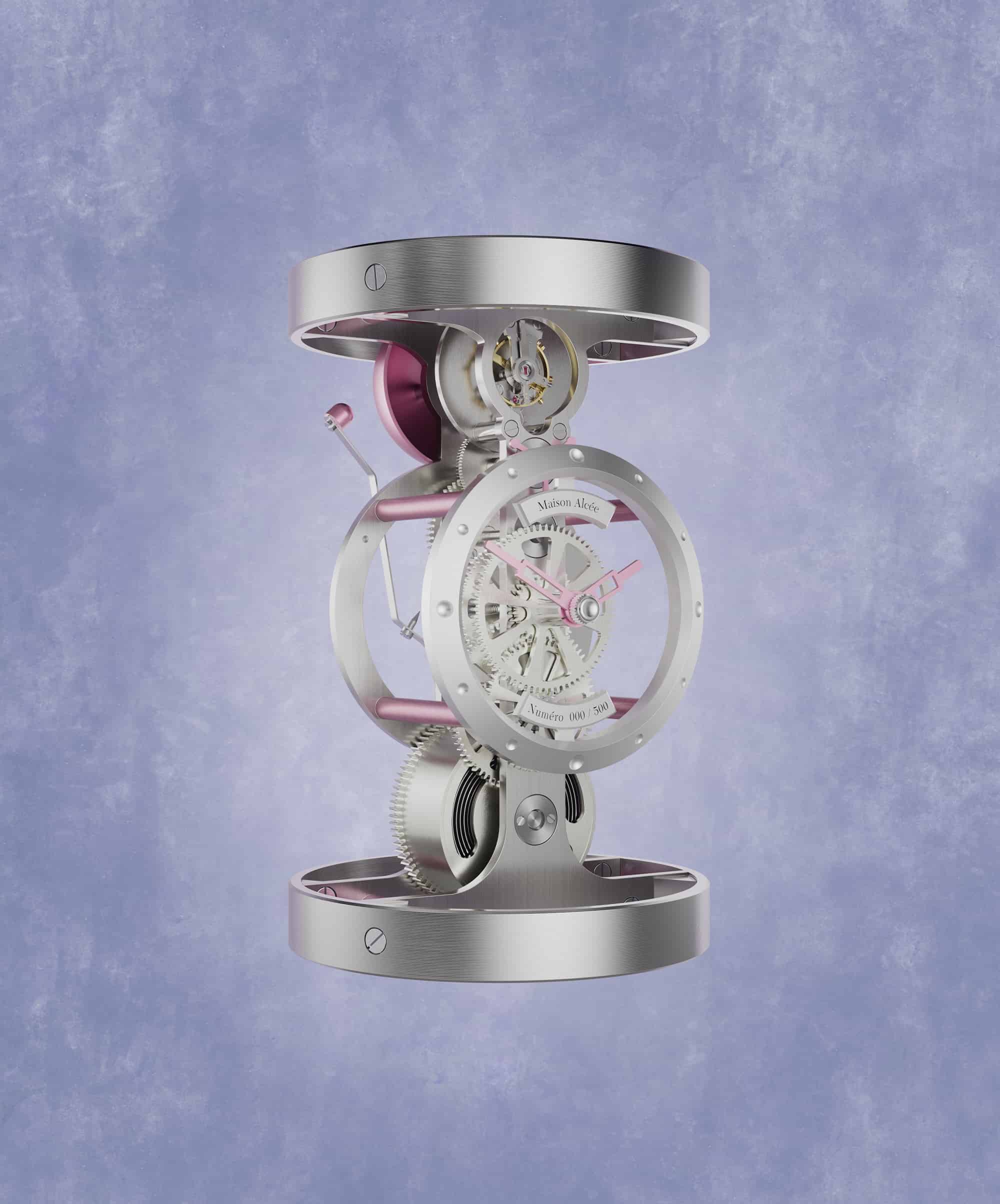
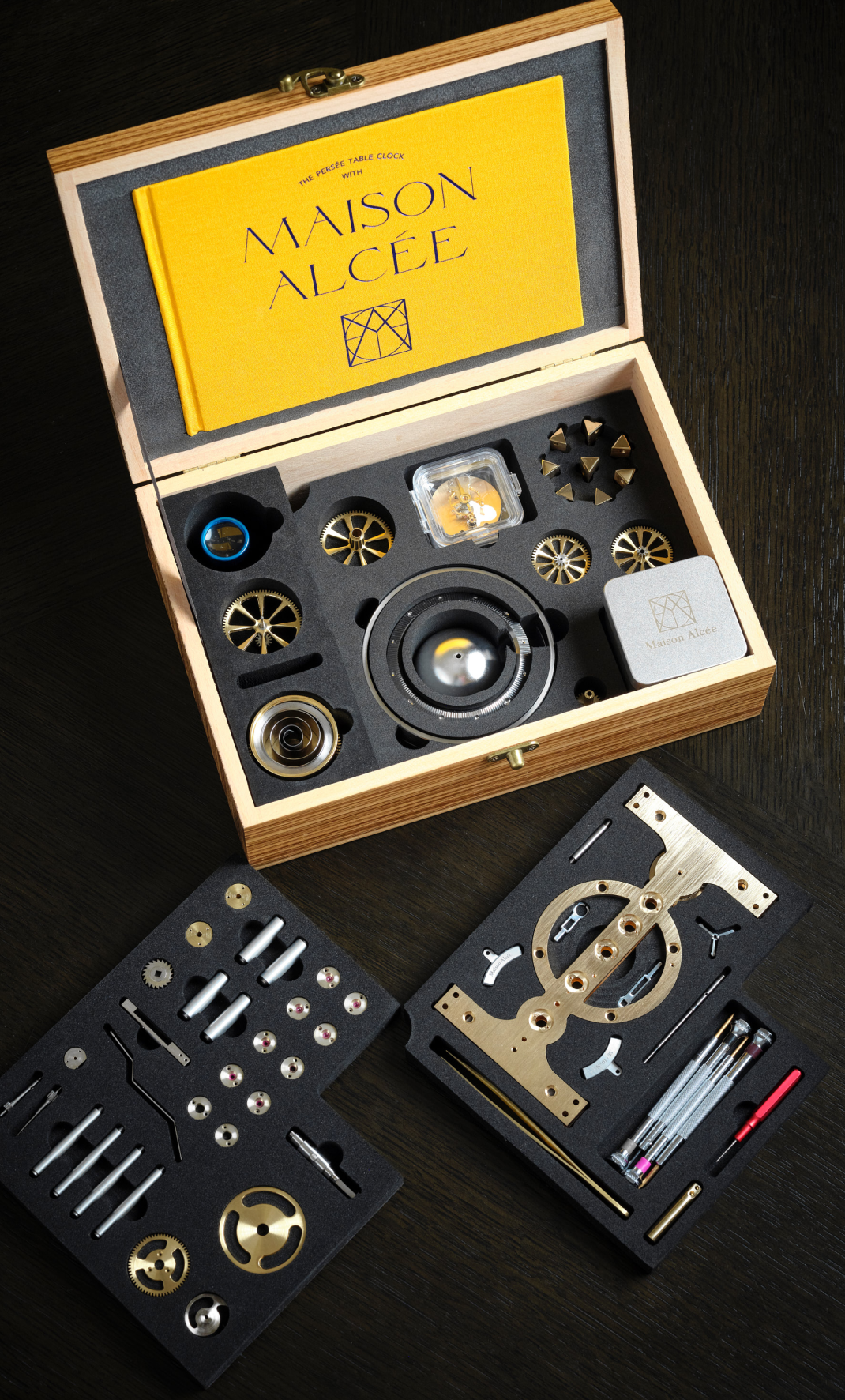

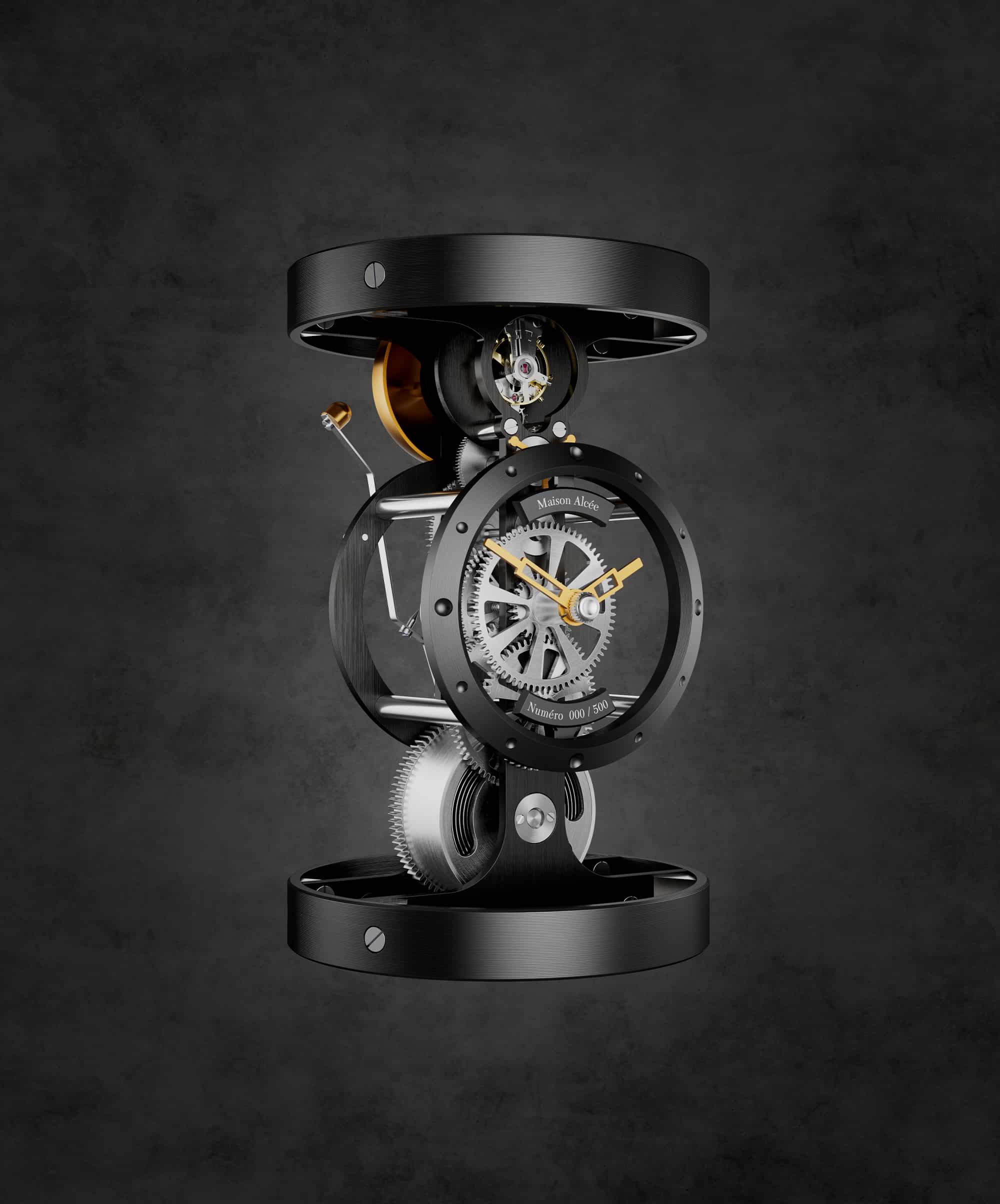
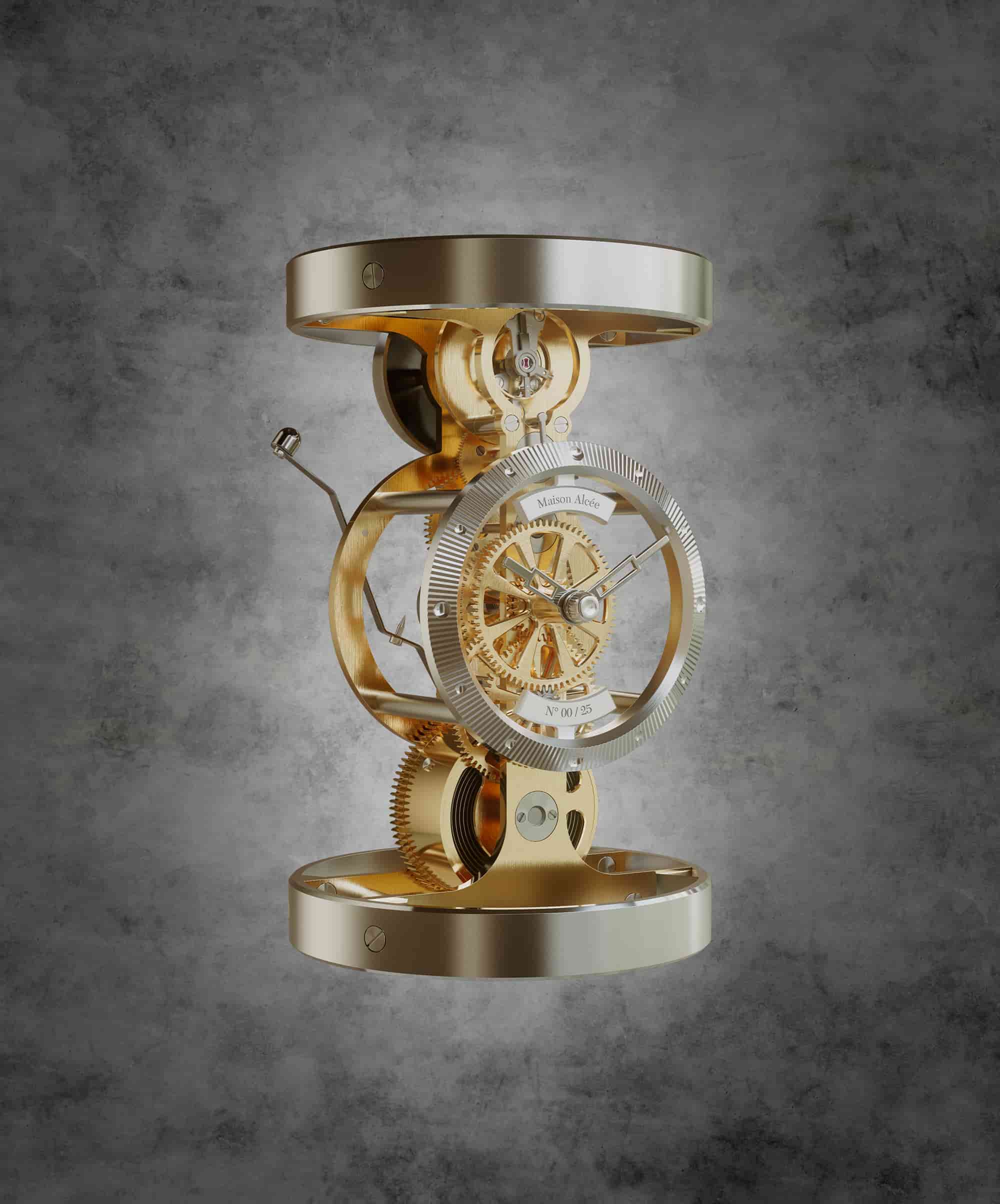
The Persée colouring process
In addition to the accuracy of Persée’s mechanism and its elegant styling, every detail of this outstanding timepiece has been designed to draw the eye – and evoke a sense of wonder.
The Persée colour treatment is a further example of meticulous craftsmanship. Each shade and tone is painstakingly examined and applied with precision, resulting in a unique and spectacular finish.


Persée surface finishings
Horology boasts a wide range of surface finishings for the purposes of decoration and protection, but at the end of the day each component traditionally has its own distinctive treatment. For instance, circular parts are generally circular-grained, while flat parts are straight-grained. A watchmaker may spend several hours carefully bevelling and polishing a single part.


