

Rare objects, treasured by collectors
Step into the captivating world of rare and exceptional pieces, cherished by discerning collectors and connoisseurs alike. Whether you’re a passionate enthusiast or simply drawn to the charm of vintage finds, discover a curated selection of uniques items.
These rare objects, crafted in wood, metal, brass, silver, or leather, reveal a heritage that can elevate their value dramatically — sometimes becoming prized assets of considerable worth. Each exceptional piece tells a story, often reflecting a mastery of craftsmanship that transcends time.

© Wikipédia
Collectible objects through the ages
Step into the fascinating world of antique collectibles, where each exceptional piece tells its own compelling story. These rare objects spark the imagination and draw attention not only for their uniqueness but also for their profound historical significance.
It all begins in Prehistory, dating back approximately 2.6 million years with the first hominids in East Africa. This era is divided into two major periods: the Paleolithic, marked by the emergence of early tools, burial rituals, and artistic expressions such as the Lascaux cave paintings; and the Neolithic, characterized by the advent of agriculture, settled life, ceramics, and early craftsmanship. Prehistory comes to an end with the invention of writing — the dawn of History.
Next comes Antiquity (c. 3000 BCE – 476 CE), the first era of recorded History. It begins with the invention of writing around 3500 BCE and ends with the fall of the Roman Empire in 476 CE. This period encompasses the flourishing of Mediterranean civilizations (Mesopotamian, Egyptian, Hebrew, Greek, and Roman) as well as major Asian cultures (Indus Valley and Chinese dynasties).
This renowned Greek statue, unearthed on the island of Milos, embodies the goddess of love and beauty. Celebrated for its elegant proportions and mysterious absence of arms, it stands as a masterpiece of Hellenistic sculpture, a testament to the aesthetic ideals of its time.

© Wikipédia
The Middle Ages (from the Latin medium aevum, or “age in the middle”) mark a European period that bridges Antiquity and the Renaissance. Commonly dated from the 5th century—following the fall of the Western Roman Empire in 476—up to the 15th century, this era concludes with the Renaissance, the fall of the Eastern Roman Empire in 1453, or the discovery of the Americas in 1492. Historians typically divide the Middle Ages into three key periods: the Early Middle Ages (6th–10th centuries), the High Middle Ages (11th–13th centuries), and the Late Middle Ages (14th–15th centuries).
This medieval embroidery, crafted during this era, is a remarkable object of art depicting the Norman conquest of England by William the Conqueror. With its intricate narrative details and vivid scenes, it stands as a precious historical testimony from the time.

© Wikipédia

©Le Parisien/Arnaud Journois
The “Modern Era” spans roughly three centuries of profound transformation, marked by three defining phases: the great discoveries that broadened our understanding of the world, the Renaissance—an era of artistic and scientific revival—and the rise of absolute monarchy.
This iconic portrait of the Mona Lisa is a renowned antique artwork, celebrated for its enigmatic smile and masterful use of sfumato, a technique that brings depth and emotion to the subject. A true masterpiece of the Renaissance, it continues to captivate the gaze of generations.
Collectible objects are often steeped in captivating stories, shaped by the hands of skilled artisans and rooted in long-lost craftsmanship. The desire to own a piece of history or a rare artisanal creation fuels both admiration and demand.
Spanning across different eras, these objects of art evoke fascination and longing. Yet, due to the passing of time or their intrinsic rarity, some of these treasures have become increasingly elusive—making them all the more precious in the eyes of collectors and history enthusiasts alike.
The timeless charm of antiques: a journey into the past
Antique objects are defined by Le Larousse as “remnants of an ancient art (ruins, monuments, furniture, weapons, utensils, etc.) that help in understanding the beliefs and customs of past civilizations.”
But antiques are far more than mere remnants of the past—they embody stories, craftsmanship, and a rare ability to awaken echoes of forgotten times.
This roll-top desk in wood is a striking example of Louis XV furniture, renowned for its grace and elegance. With its mahogany and light wood interior drawers, fitted with lens-shaped knobs, and three horizontal niches, it offers both refined functionality and aesthetic allure. Far from being just a furniture object, it is a rare collectible admired by connoisseurs of rare objects, those who deeply value the craftsmanship of master cabinetmakers and the distinctive beauty of this golden age. A well-preserved roll-top desk like this can fetch impressive prices and, in some cases, be worth a true fortune today.
To own an antique is to appreciate the beauty and artistry of a bygone era—while safeguarding a tangible fragment of history. These unique, rare, and precious objects continue to captivate collectors and lovers of art and heritage. Their age, scarcity, and desirability make them all the more valuable—some even commanding fortunes in today’s world.

© Wikipédia
Art: from painting to sculpture
Art, whether expressed through painting, sculpture, curated images, detailed photos or other forms of objects, transcends time and culture. These artistic expressions capture the essence of historical moments while celebrating the limitless scope of human creativity.

© Cécile de Sortiraparis
Take, for instance, Claude Monet’s “Nymphéas”. These paintings are far more than masterpieces, they are historic art objects that defined an era. Their richness of color and exquisite technical mastery make them deeply coveted. More than their aesthetic beauty, it is the emotion they stir that makes them rare and treasured pieces among discerning art collectors.

© Wikipédia
Objects such as sculpture, on the other hand, add a third dimension to artistic expression. Ancient masterpieces such as “Discobole” by Myron, crafted in marble and bronze, remain some of the most iconic sculptures of Antiquity. Capturing the split second before the discus throw, Myron immortalized motion itself. The visible tension in the abdomen and thighs reflects the Greek pursuit of dynamic realism. Whether sculpted in marble, bronze, metal, brass, silver, stone, or wood, each piece is born of a precise gesture and a singular artistic vision.
These art objects range from life like depictions to abstract forms. In every instance, whether through painting or sculpture, art continues to captivate us, offering a rare lens through which to view the world and its histories. These rare pieces are not only deeply moving, but also sought-after collectibles… sometimes translating into remarkable value.
The world of collectible objects
The world of collectible objects spans a remarkable variety of artifacts — from antique treasures and rare furniture to modern works of art. These often rare collectibles encompass a wide range of categories: from historically valuable items to vintage gems, and sought-after contemporary pieces.
Each object tells a story — a visual journey through time and style.

© Maison Alcée
A singular modern timepiece: Persée
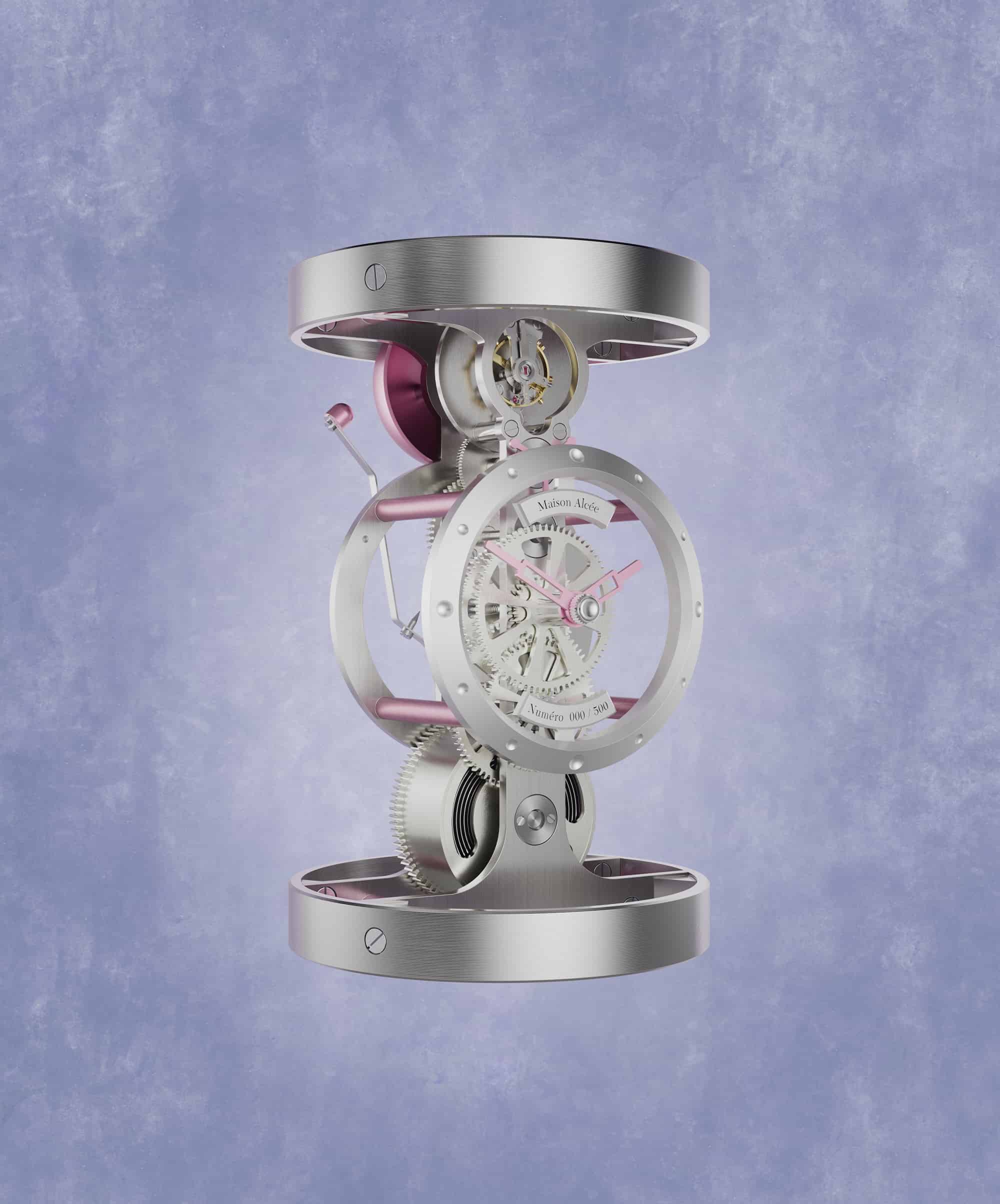
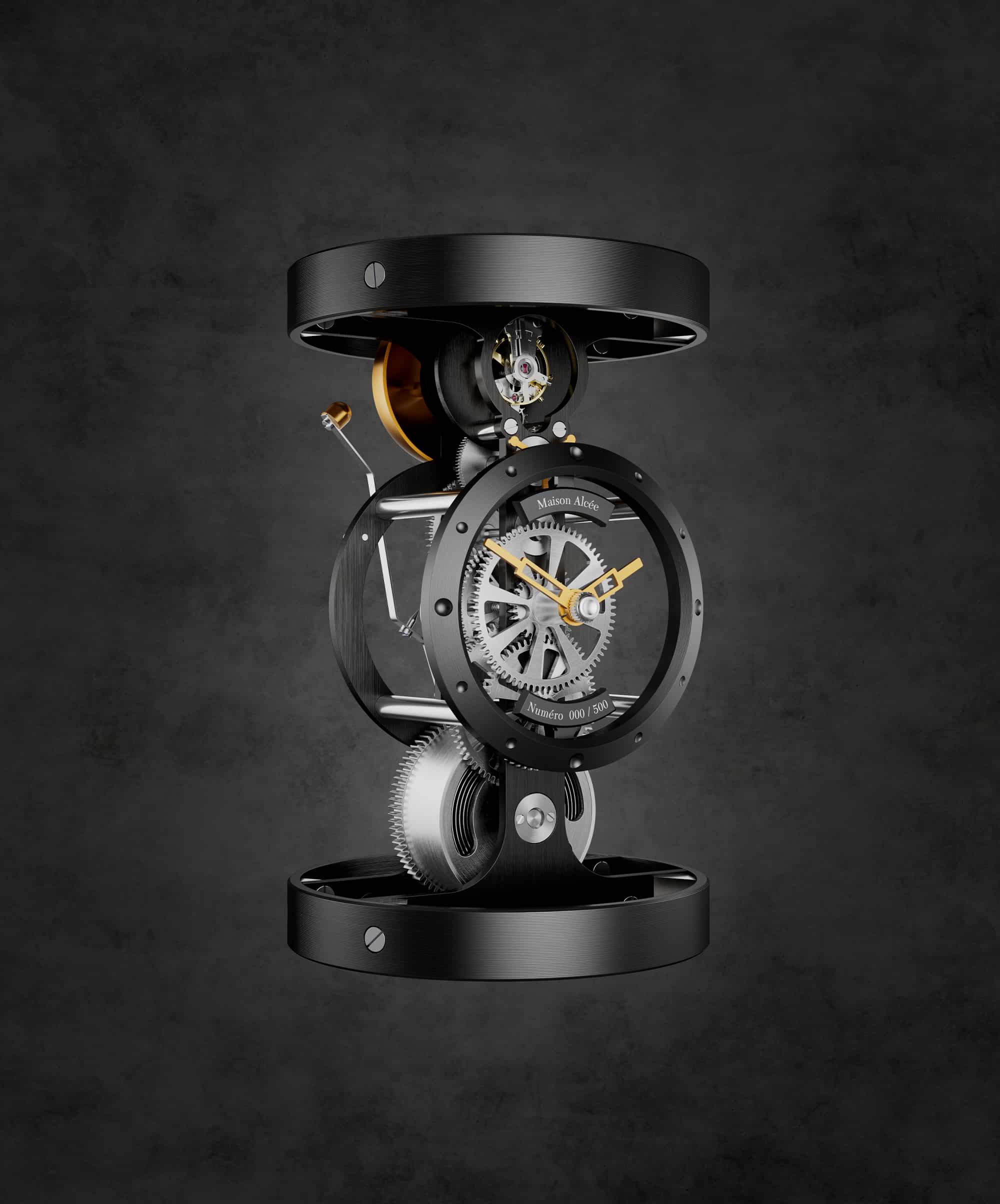
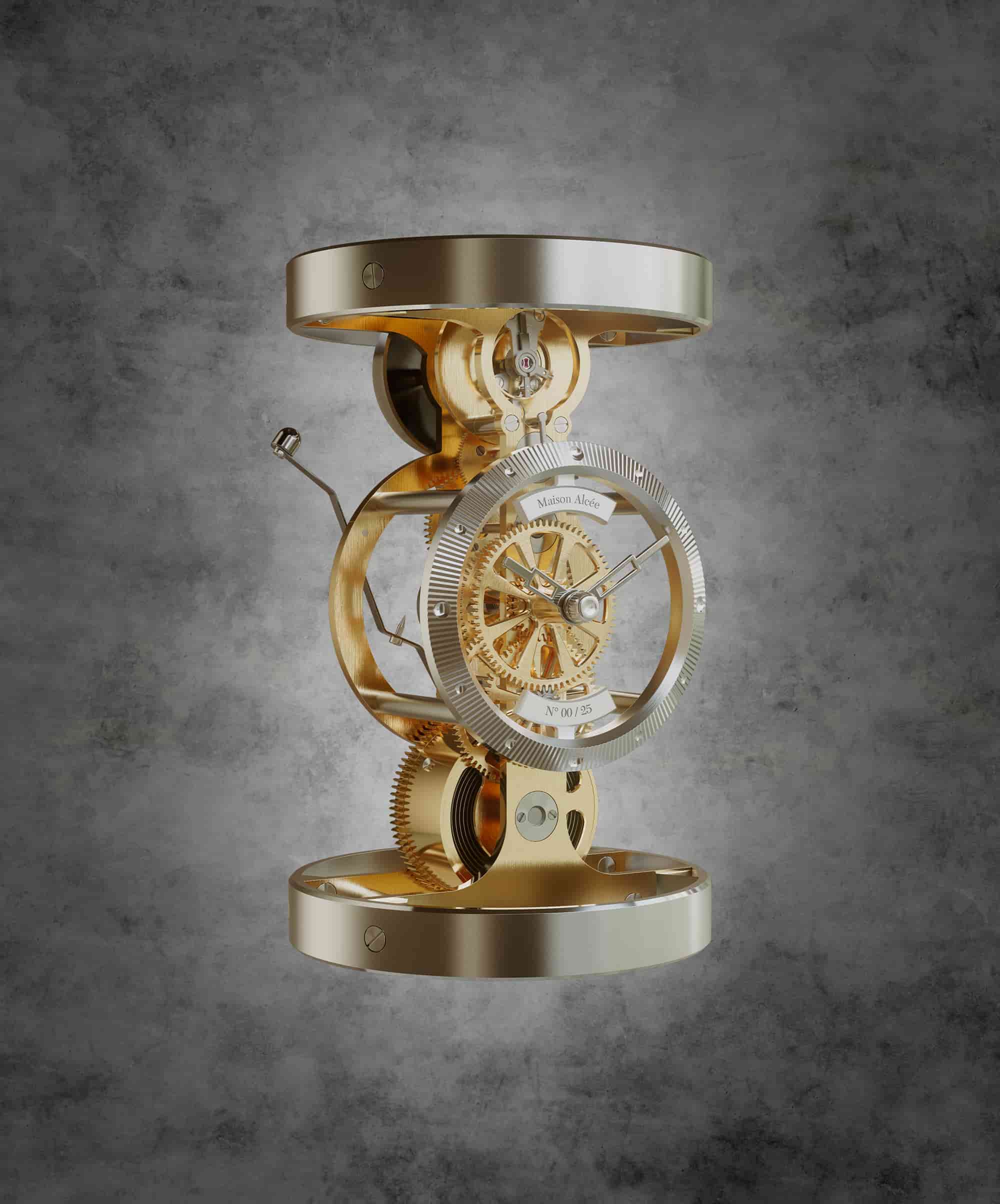
In the world of watchmaking, some pieces stand out for their uniqueness and refinement. The Persée timepiece by Maison Alcée is a timeless horological creation that merges expert craftsmanship with innovation. As a collectible object, this table clock is numbered and available in a limited edition.
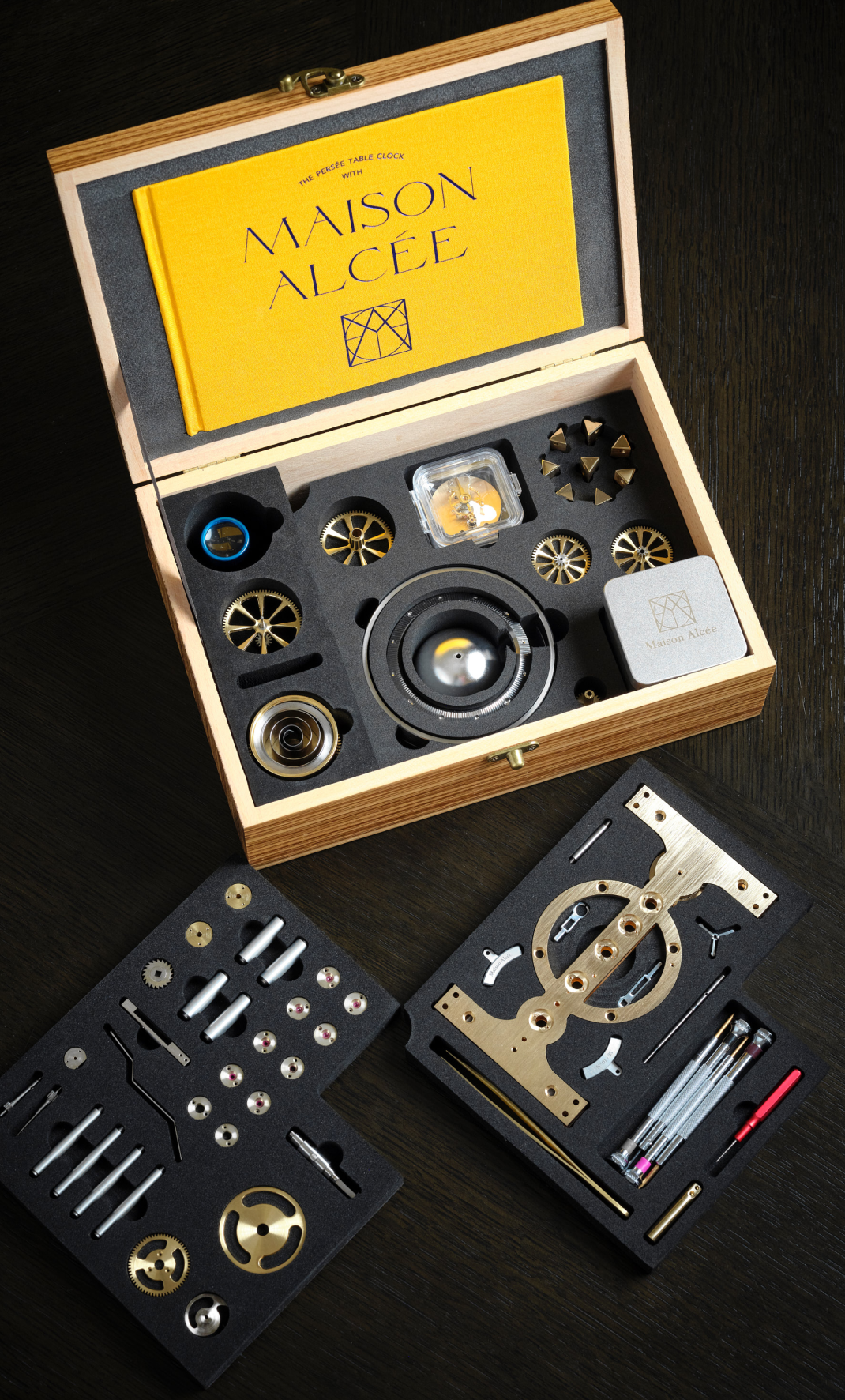
This experience is far more than simply owning a beautiful object — it invites you to assemble your own table clock using a fine presentation box. Inside, you’ll find 233 components — 169 of which you’ll assemble yourself — along with a detailed horological guidebook to lead you step by step into the secrets of a centuries-old craftsmanship.
Each table clock is the result of meticulous craftsmanship. Its elegant design and high-end finishes make it a standout modern piece for any collector. Beyond its sublime aesthetic, it captivates with a near-perfect mechanical movement. As a horological work of art, Persée table clock embodies excellence — a timeless legacy to be passed down through generations.

Modern collectible objects
The world of collectibles continually evolves over the years with the emergence of new trends and contemporary pieces. Modern objects stand out through their innovation.
Art objects with modern curves, created by talented French artists such as Bastien Bonhomme with his bronze sculpture “ Le Guépard d’Afrique” are distinguished by their contemporary aesthetic. Crafted with remarkable precision and mastery, this object captures the very essence of the cheetah. Every detail of this work is the result of many hours of meticulous labor and great expertise.
Modern and hand-shaped, each curve and line is carefully sculpted to reflect the speed and elegance of the cheetah in full sprint. Once completed, the clay sculpture is sent to an art foundry where numbered and signed bronze editions are carefully produced with exceptional quality. Bastien Bonhomme, gradually making his mark in the world of art objects and collectibles, sees his works achieve growing success and become increasingly sought after.
Photos and images of Le Guépard d’Afrique reveal the refinement of its contours and the powerful stance of the animal frozen in motion. Often captured against a white background to enhance its silhouette, these pictures are as striking as the modern object itself.
These modern objects are often designed with a forward-looking vision. This blend of modernity, art, and object design continues to captivate collectors searching for rare pieces — whose prices can reach impressive heights — bearing witness to current creativity and ingenuity.

© Bastien Bonhomme
The trend of vintage objects
The vintage trend has seen a significant rise in the world of collectibles objects. Vintage objects, whether furniture, historical photos and images or jewelry, are sought after for their timeless charm and sometimes their unique history. These pieces, often considered rare collectibles, are valued for their exceptional quality. This is why they are admired by vintage enthusiasts for whom the art of collecting is a cherished passion.

© Hermès
The most sought-after vintage objects online demonstrate their lasting appeal, with values that continue to increase over the years. These rare objects, whose high value can reach quite expensive prices, are often seen more as investments than mere items. Whether found at flea markets, antique fairs, or auctions, vintage remains trendy and continues to captivate collectors worldwide.
A quintessential example of this trend is the leather Birkin bag from the renowned French Maison Hermès. Frequently featured in auction catalog images, This handbag has become one of the rarest and most expensive fashion accessories in the world. Birkin bags, especially those in limited editions or made from exotic materials such as crocodile or ostrich leather, often fetch very high prices at auctions or online, sometimes reaching a fortune! For collectors and fashion lovers alike, a Birkin bag represents not only an investment but also a heritage of French style and elegance. As a result, this type of vintage object is highly sought after. As a result, this type of vintage object is highly sought after, particularly because the available stock is extremely limited. The smaller the stock, the rarer and more valuable each piece becomes.
The pursuit of these rare objects, driven by a quest for discovery, is often motivated by their potential to reach high value, making them frequently expensive—especially when the stock runs low and demand remains high.
These antique objects, remnants of bygone eras, embody art through the ages and bear witness to the craftsmanship and culture of their time. Owning such an object means preserving a piece of history—a connection to the past that continues to inspire and fascinate.
Collectors around the world are drawn to this diversity, where a rare antique clock, a sculptural object, or a contemporary design piece may, all coexist in a carefully curated collection. Whether appreciated for their artistic value, investment potential, or emotional resonance, these objects continue to captivate with their beauty, rarity, and timeless allure.
Ecrit par Léna V.
-
The discovery of art objects

Rare and refined creations for the lovers of art and authenticity.
-
Understand the mechanism of a watch

Discover the mechanism of a movement and the mysteries it reveals…
-
Unique collectible items

Unique collectible items to enrich your cabinet of curiosities…
