

Watchmaking MAISONs: Guardians of Time
The great watchmaking Maisons, whether specialized in watches, clocks, or pendulums, hold a fundamental place in the world of luxury watchmaking. Renowned for their expertise and innovations, French and Swiss watch brands embody the very essence of watchmaking, particularly within the realm of independent watch brands and independent watchmaking. Journey through the ages to explore the contributions of major Swiss and French watchmaking Maisons, as well as those from Germany and Japan — countries sometimes lesser-known but nonetheless influential in the world of independent watchmakers and independent brands.
One of these Maisons even took on a bold challenge: to convey the beauty of watchmaking craftsmanship by offering all curious minds the opportunity to assemble their own timepiece — an invitation to dive into the heart of time and independent watchmaking.
The History of Swiss Watchmaking
Swiss watchmaking has been renowned for its innovation since the 16th century. Originating in Geneva, where craftsmen reinvented themselves in response to religious bans, it quickly gained recognition through major innovations such as the “établissage” system in the 18th century. Resilient in the face of crises, it evolved with iconic brands, establishing Switzerland as the heart of watch brands, independent watchmaking, and luxury watchmaking.

Switzerland: the cradle of watchmaking
Switzerland, globally recognized as the cradle of watchmaking, traces its roots back to the mid-16th century, in 1541. In Geneva, Jean Calvin, a reformer, banned ornamental objects, pushing craftsmen towards watchmaking. By the late 16th century, Geneva became a center of excellence with the creation of the first watchmakers’ guild. Daniel Jean-Richard, a watchmaker from the Jura region, unveiled the first Swiss watch in 1681, marking the beginning of traditional Swiss watchmaking, and introduced the “établissage” system in the 18th century.
This decentralized production model encouraged task specialization and rapid skill development, allowing Jura artisans to work from home. The watchmaking tradition in the Jura mountains initially developed as a peasant activity during the winter break. It was a family affair, with skills passed down at the farm, as formal watchmaking workshops were only established later. The passion of some farmers gave noble status to this rural watchmaking tradition, blurring the line between self-taught practice and professionalism.

© Le petit poussoir

© Le petit poussoir
In the early 18th century, talented artisans fleeing religious persecution settled in the Swiss mountains. Among them were French Huguenots who brought their knowledge and watchmaking expertise, laying the foundation for what would become a thriving industry. Cities like Geneva and La Chaux-de-Fonds quickly became hubs watch brands and independent watchmaking.
The 20th century was marked by the Great Depression and the quartz crisis of the 1970s, which reduced Switzerland’s market share. In response to the Great Depression, small Swiss watch brands, often large watchmaking groups, joined forces to create two major groups: SSIH (Omega and Tissot) and ASUAG (Longines, Mido, Hamilton). Forty years later, the arrival of Japanese quartz watches caused a major crisis. In reaction, Swiss groups merged to form the Swatch Group, which saved the watch industry with quartz watches, helping Switzerland overcome this challenge.

© Le Monde

© Hodinkee

Swatch GB 101, better known as QUARTZ, 1983
© Swatch
The late 20th and early 21st centuries saw a strong comeback of mechanical watches and renewed interest in traditional Swiss watch brands, despite modern challenges like smartwatches and environmental concerns. Swiss watchmaking remains robust and influential, continuing to captivate enthusiasts and placing time at the heart of its creations. Watch brand and independent watchmakers continue their pursuit of excellence within this rich tradition.

© Amsterdam Vintage Watches
The great swiss watchmaking Maisons
Since the 17th century, Geneva, La Chaux-de-Fonds, and other Swiss regions have become epicenters of watchmaking innovation. The rise of Swiss watchmaking is closely tied to iconic watch brands such as Patek Philippe, Rolex, and Omega. Each of these watch brands has contributed to shaping the history of time through their unique codes, precision, and technical breakthroughs. These Maisons played a vital role in the evolution of watchmaking by introducing innovations like precision wristwatches, certified chronometers, and sophisticated complications. Their relentless pursuit of perfection built the lasting reputation of Swiss excellence.
Patek Philippe, founded in 1839, is renowned for its highly complicated timepieces. As an independent watch brand, it showcases the finest craftsmanship in the world of watchmaking. The artisans of this prestigious brand meticulously craft each detail to ensure exceptional accuracy and enduring quality.
Rolex, established in 1905 by Hans Wilsdorf, revolutionized the market with its robust and reliable models, becoming a symbol of both luxury and precision.
Omega, meanwhile, is known for its high-precision chronometers and its involvement in space missions, solidifying its place as a global leader in luxury watchmaking.

© Rolex

© Omega
These legendary watch brands have not only advanced the technical evolution of watchmaking but have also created a lasting tradition that continues to inspire from around the world dedicated to honoring and mastering the art of time.
French horology — french luxury, centered in Paris
French watchmaking, with its rich heritage and unwavering devotion to luxury, stands out for its prestige and craftsmanship. Paris — the world’s capital of refinement — plays a pivotal role in shaping this horological tradition. Not only a hub for stylistic creation, it serves as a crucial crossroads for French watch brands. They seamlessly blend elegance with innovation, embodying the essence of French luxury.
The French watchmaking sector is an indispensable component of the global luxury market, contributing significantly to national prestige and economic influence. Beyond its technical mastery, French horology adds a poetic touch often lacking in purely mechanical timepieces.


© Breguet
Key luxury watch brands in France
France boasts distinguished luxury watchmakers renowned for their elegance and innovation. Iconic names like Cartier, Breguet, and Pequignet exemplify the absolute excellence of French watchmaking.
Founded in 1775, Breguet is renowned for its sophisticated watch complications and technical innovations, including the chronograph, perpetual calendar, and tourbillon. The invention of the tourbillon in 1801—designed to counteract timing errors caused by gravity—is one of Breguet’s most remarkable contributions to horology.
The Maison also created the legendary “Marie‑Antoinette,” one of the most complex timepieces in the world—unfortunately completed 44 years after its commission and 34 years after the queen’s death. Breguet remains synonymous with technical innovation and horological excellence.

© Breguet

© Le Page

Breguet, Watch No. 160 known as “Marie-Antoinette”
© Breguet
Cartier, founded in 1847, is celebrated for its daring creations and designs often adorned with precious stones, exemplifying avant-garde artistry and original forms. The Santos watch, created in 1904 for aviation pioneer Alberto Santos‑Dumont, is a landmark in the evolution of modern wristwatches.
Founded in 1973, French manufacture Péquignet is one of the few fully integrated watchmakers in France. Distinguished by its artisanal expertise and horological innovations, Péquignet produces its exclusive mechanical movements entirely on French soil. Before its 2011 Royal Caliber, no fully French-made mechanical movement had existed—this caliber stands as a symbol of technical excellence, innovation, performance, and precision.

© Montres de Luxe

© Péquignet

© Maison Alcée
The luxury watchmaking Maisons in France
Maison Alcée, a young and independent French watchmaking Maison established in 2021, embraces the challenge of merging traditional artisanal excellence with the DIY spirit of a generation seeking authenticity. Its first creation, Persée, is a presentation box to be assembled by the enthusiast using components designed and crafted for Maison Alcée. This initiative unites top partners from the Jura region of France and Switzerland. Maison Alcée’s sole aspiration is to pass on the beauty of horological craftsmanship.
Blending creativity and excellence, French timepieces continue to showcase exceptional know-how—reflecting the boldness and innovation that characterize France, especially Paris as the capital of luxury. Each of these watchmaking Maisons contributes its own heritage and distinctiveness, affirming France’s standing as a benchmark in luxury watchmaking.

© Maison Alcée
Paris, epicenter of luxury watchmaking
Paris stands as a true epicenter of luxury watchmaking. Several events and exhibitions in the capital attract collectors and watch enthusiasts, such as the horological event We Love Watches. During its inaugural edition in October 2023, 48 watchmaking Maisons were present, offering a unique opportunity for connoisseurs and collectors to discover exceptional timepieces and engage with renowned watchmakers.
Paris is also a hub for education and inspiration in the world of horology. Its schools and workshop train the next generation of master watchmakers, carrying on a centuries-old tradition of excellence and innovation. One such example is the prestigious Diderot Watchmaking School, located in the very heart of Paris.
No mention of French watchmaking would be complete without honoring Jean-Baptiste Viot. A master of mechanical craftsmanship, he is a key figure in the revival of high-end timepiece production in Paris.

© Comme Un Camion

Place Vendôme, a symbol of French luxury, stands as a landmark in the world of Haute Horlogerie. This prestigious square is home to some of the most iconic watchmaking Maisons, offering an exceptional experience to lovers of fine watchmaking.
Paris is a crossroads where horological artistry is constantly reinvented, blending sophistication with boundless creativity.
Watchmaking Maisons beyond swiss and french borders
Luxury watchmaking extends far beyond Switzerland and France. Several other countries have also distinguished themselves in this field by producing timepieces of exceptional quality and pioneering innovative technologies. Germany and Japan, in particular, have made significant contributions to the global watchmaking industry.

© Le Point
Glashütte, germany’s capital of luxury watchmaking
In Germany, Glashütte has established itself as an iconic destination for luxury watchmaking. This town is now recognized as the most influential horological center outside of Switzerland, home to several prestigious watch brands that have left a lasting mark on the international market. Renowned watchmaking Maisons such as A. Lange & Söhne, Glashütte Original, and Nomos Glashütte have each earned their place in the world of fine horology.
Founded in 1845, Glashütte Original emerged in the Kingdom of Saxony, Germany. The first watchmakers in the region began crafting timepieces and components in their own homes. Over time, Glashütte became renowned for producing high-end mechanical watches of great precision. Today, Glashütte Original proudly carries on this exceptional artisanal heritage. The brand’s luxury watches are known for their precision, reliability, and robust construction.

© A. Lange & Söhne
Founded in 1845, the German watch brand A. Lange & Söhne is renowned for crafting luxury watches that combine timeless elegance with cutting-edge technology. Since 2000, the brand has been part of the Richemont Group, standing as a benchmark in the world of high-end mechanical timepieces. Iconic collections such as the Lange 1 and 1815embody the brand’s dedication to horological artistry. The 1815 Chronograph, for instance, is one of the rare watches where classic heritage and modern innovation blend with such finesse.
© Omega
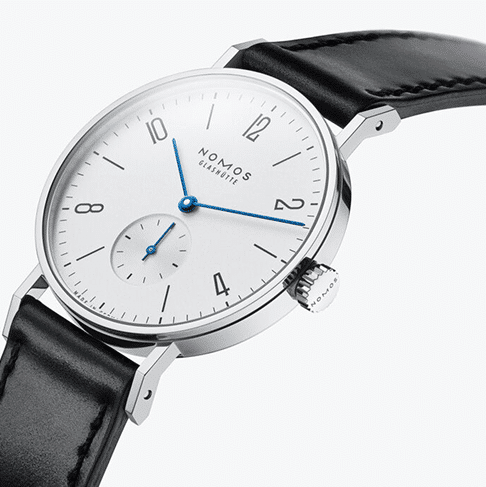
Nomos Glashütte, established in 1990, has gained international acclaim for its minimalist Bauhaus-inspired watch designs. Known for offering elegant and accessible luxury watches, Nomos designs and manufactures its own in-house movements, ensuring complete mastery over each component. The Tangente model became a milestone for the brand, distinguished by its clean lines and contemporary aesthetic — now considered a design icon in modern horology.
Together, these two German watch manufacturers have elevated Glashütte to the rank of a world-renowned hub for precision watchmaking, rivaling even Switzerland. Their timepieces stand out for their technical sophistication, exceptional build quality, and strong commitment to horological tradition and innovation.

© Oh Selection
Japan: a rising force in luxury watchmaking
Japan, home to iconic brands like Seiko and Citizen, has made significant contributions to the global watch industry. Known for their advanced technology and innovation, Japanese watchmakers played a key role in the quartz revolution, forever transforming the horological landscape.
Today, Japanese watchmaking is still largely associated with affordable watches and entry-level models renowned for their meticulous attention to detail. However, the Land of the Rising Sun is now actively expanding into the luxury watch segment, striving to rival prestigious Swiss watch brands on the global stage.
Seiko, widely recognized for its accessible timepieces, took a bold step in 1960 by launching the Grand Seiko line—a collection designed to compete directly with the elite of Swiss horology. In 2020, Grand Seiko opened a boutique on the iconic Place Vendôme in Paris, firmly positioning itself among the world’s most prestigious watch brands. Today, Grand Seiko is considered a serious contender, offering exceptional craftsmanship, precision, and refinement.
Meanwhile, Citizen has established itself as a pioneer of eco-friendly watches, with innovations like the Eco-Drive—a solar-powered watch technology that eliminates the need for battery replacements. Citizen continues to lead in sustainable timekeeping, blending environmental consciousness with innovation.

© Grand Seiko

© Les Rhabilleurs
While the roots of fine watchmaking lie in France, the craft has evolved into a global luxury industry, enriched by the unique expertise and vision of Swiss, French, German, and Japanese watch brands. Each region brings its own innovations, contributing to the dynamic and ever-evolving world of high-end horology.
Written by Nicolas T.
-
Maison Alcée x MB&F Nostromo
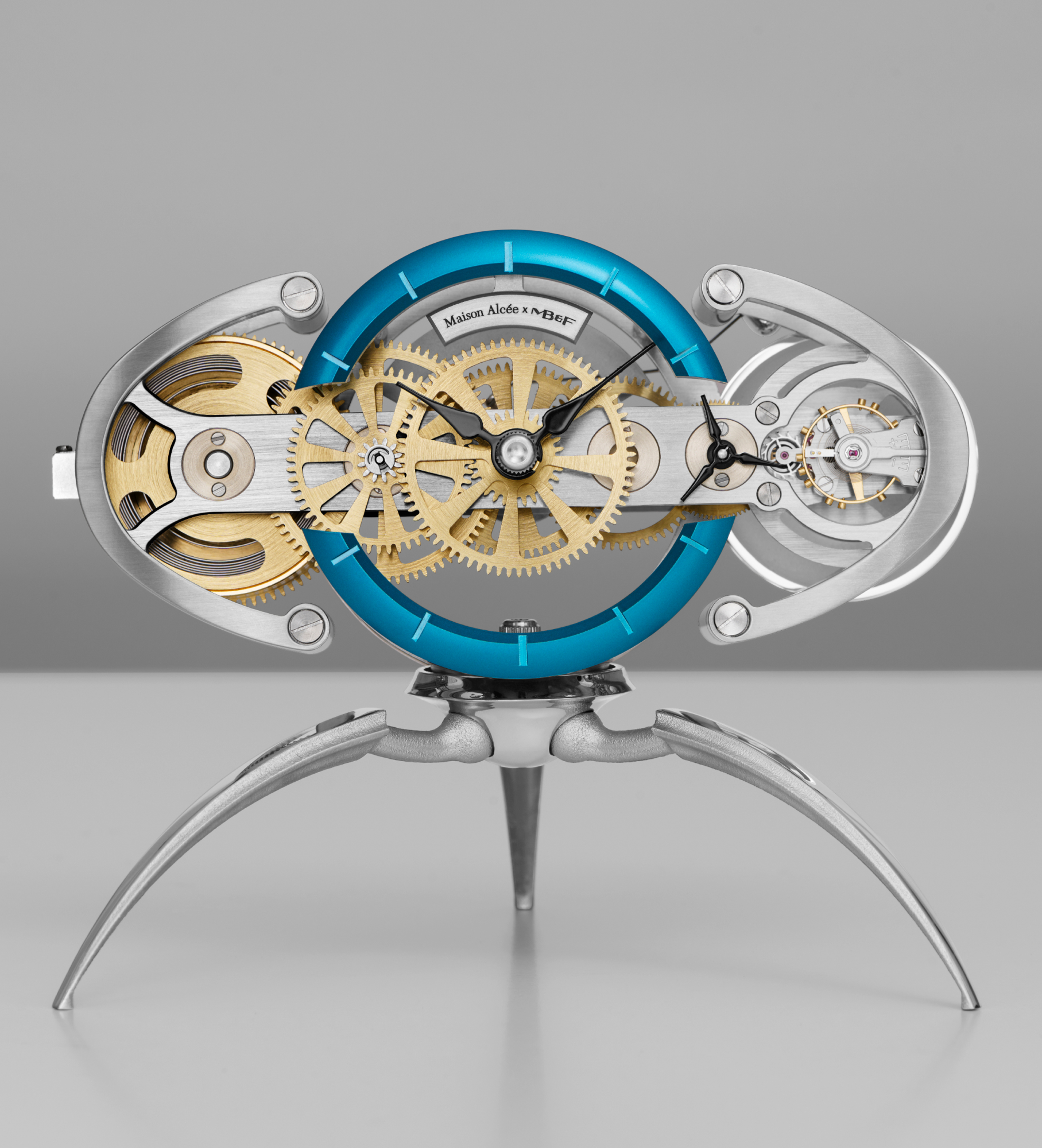
Maison Alcée collaborates with MB&F to unveil Nostromo, an alien-like co-creation.
-
The discovery of art objects

Rare and refined creations for the lovers of art and authenticity.
-
Understand the mechanism of a watch

Discover the mechanism of a movement and the mysteries it reveals…
